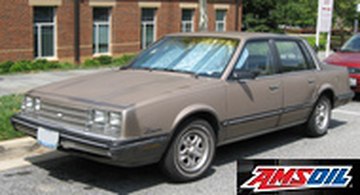
Maintaining the 1982 Chevrolet CELEBRITY 4.3L Diesel Engine
Owning a diesel-powered vehicle from the early 1980s requires a specific approach to routine maintenance and fluid management. The 1982 Chevrolet CELEBRITY equipped with the 4.3L diesel engine relies on consistent lubrication and careful monitoring of various mechanical systems to ensure continued operation. Because diesel engines operate under different thermal and mechanical stresses than gasoline counterparts, staying attentive to the condition of all fluids and components is a fundamental part of ownership.
Monitoring Fluid Integrity and Condition
A primary aspect of maintaining this engine involves regular observation of its various fluids. While oil is a central focus, the overall health of the lubrication system can often be gauged by looking for specific signs during routine checks. It is helpful to monitor for any changes in the appearance or consistency of the lubricants used throughout the engine bay.
If you notice an unusual odor or see evidence of fluid seepage around various sealing surfaces, these are indicators that warrant closer inspection. For example, a burning smell may suggest that lubricant is contacting a hot component, which could be related to a variety of different sources. Similarly, any unexpected changes in how much oil the engine seems to use should be investigated promptly. Rather than assuming a specific part has failed, treat these symptoms as signals to perform a more thorough visual inspection of the engine compartment.
Practical Inspection Priorities for Aging Engines
As vehicles from this era continue to operate, certain components may show signs of age-related wear. When performing maintenance on a 1982 Chevrolet CELEBRITY, it is often more effective to base your service priorities on the actual current condition of the vehicle rather than strictly on its age. If you do not have a complete history of previous repairs, establishing a baseline through a comprehensive inspection is a wise first step.
During these inspections, focus on the following areas:
- Sealing Surfaces: Inspect various gaskets and seals for signs of seepage or weeping. Even minor traces of fluid can indicate that a seal is beginning to lose its effectiveness.
- Hoses and Connections: If present, examine any visible hoses for signs of cracking, softening, or bulging. Check electrical connections for any evidence of corrosion or loose seating.
- Drive Components: If equipped, inspect accessible drive belts for signs of glazing, fraying, or surface deterioration.
- Cooling System: Look for any evidence of external leakage around the cooling system components to ensure thermal management remains stable.
By addressing active leaks or visible signs of wear early, you can often manage maintenance tasks more predictably and avoid more significant issues later.
Managing Long-Term Engine Health
Effective long-term ownership is built on a foundation of organized record-keeping. For an engine like the 4.3L diesel in this Chevrolet, keeping a detailed log of all fluid changes, filter replacements, and mechanical repairs can be invaluable. These records allow you to identify patterns—such as a gradual increase in lubricant consumption or the frequency of certain component replacements—that might otherwise go unnoticed.
If you are currently managing a vehicle with an incomplete service history, your first priority should be to establish what has been done and what remains to be addressed. This involves checking the current state of all vital fluids and mechanical parts. Once a baseline is established, you can transition from reactive repairs to more proactive, condition-based maintenance. Distinguishing between necessary preventive measures and unnecessary part replacements is key to efficient ownership; always prioritize tasks that address active symptoms or clear signs of component aging.
The Role of Lubrication in Diesel Operation
Lubrication serves several vital roles within the engine environment. Beyond simply reducing friction between moving parts, the lubricant plays a significant role in managing the internal thermal environment and helping to suspend any microscopic particles that may develop during the combustion process. In a diesel application, maintaining the cleanliness of the oil is essential for preventing the buildup of deposits or sludge.
Consistent maintenance helps ensure that the lubricant retains its ability to protect engine components from wear. When the oil is fresh and meets the correct specifications, it provides a stable environment that supports the mechanical integrity of the engine over long periods of operation. Monitoring the condition of the oil—noting any significant darkening or changes in texture—can provide early clues about the internal state of the engine.
Identifying Potential Maintenance Needs
While many maintenance tasks are scheduled, being able to recognize when an unscheduled inspection is necessary can save time and effort. It is important to remember that symptoms like unusual mechanical noises or changes in exhaust characteristics can have multiple underlying causes. For instance, a change in the sound of the engine might be related to various components, from mounting hardware to internal mechanical parts.
If you observe any of the following, it is advisable to investigate the cause:
- Visible fluid leaks on the ground or within the engine bay.
- A noticeable change in how often you need to check or add oil.
- The appearance of warning indicators on the dashboard.
- Unusual smoke patterns from the exhaust.
Approaching these signs with a systematic inspection rather than immediate diagnosis allows for a more accurate understanding of what the vehicle requires.
Buying Engine Oil for your 1982 Chevrolet CELEBRITY 4.3L
When it is time to replenish your engine's lubricant, the most important step is to ensure that the product you select matches the specific requirements of your engine. Because different engines have unique needs regarding additive packages and base oils, you should always refer to the application-specific viscosity and oil type information provided on this webpage.
Before making a purchase, carefully check the product labeling to confirm it meets the necessary standards for your 4.3L diesel engine. You may encounter various options, including conventional oils, synthetic blends, or full synthetic formulations. Some high-mileage oil formulations also contain additives intended for use in aging engines, such as seal-conditioning agents. However, rather than choosing a product based on general marketing claims, always prioritize the specific viscosity and application details listed in your vehicle's technical documentation. Matching the lubricant to the exact specifications shown above is the most reliable way to support the continued operation of your 1982 Chevrolet CELEBRITY.